


Break Free from Codependency: Steps to Regain Independence
Codependency is a challenging relational pattern that leads individuals to neglect their own needs while prioritizing others. Breaking free requires self-awareness, boundary-setting, and emotional independence. Learn how to stop being codependent through therapy, self-care, and professional support. Discover the role of luxury rehab centres, recovery retreats, and holistic wellness programs in fostering long-term healing.

Understanding Petulant Borderline Personality Disorder (BPD)
This article explores Petulant Borderline Personality Disorder (BPD), a distinct subtype characterized by emotional instability, anger, and relational difficulties. It highlights the unique challenges faced by individuals with petulant BPD and discusses effective therapeutic approaches, such as Dialectical Behaviour Therapy (DBT) and Cognitive Behavioural Therapy (CBT). Additionally, the article explores luxury treatment options offering personalized care and holistic therapies for managing the condition.

Differentiating Bipolar Types: Bipolar 1 & Bipolar 2
Bipolar disorder is a mental health condition marked by dramatic mood swings, including manic or hypomanic episodes and periods of deep depression. While Bipolar 1 and Bipolar 2 share some similarities, they differ in the severity of the manic episodes and the nature of depressive periods. This article explores the differences between Bipolar 1 and Bipolar 2, their symptoms, diagnostic criteria, and treatment options.

Effective Intermittent Explosive Disorder Treatment
Intermittent Explosive Disorder (IED) is a mental health condition marked by sudden, intense outbursts of anger, leading to aggressive verbal or physical behaviour. Often triggered by minor incidents, these episodes are followed by regret and shame. IED is treated through a combination of therapy, medication, and natural remedies, aiming to help individuals manage their emotions and improve their quality of life.
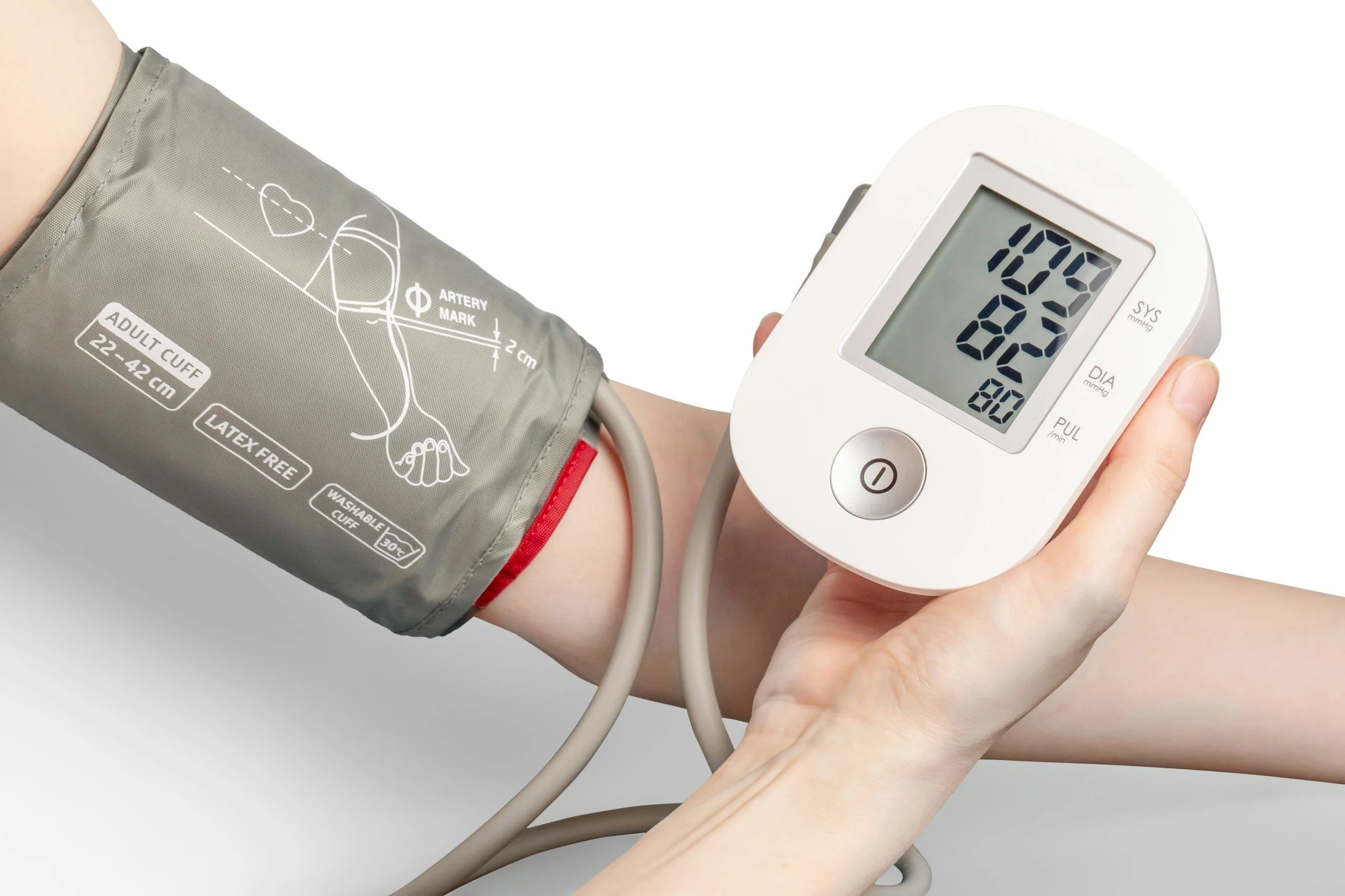
Understanding the Physical Effects of Anxiety
Anxiety is that emotional response to stress characterised by apprehension, worry, and fear. Even though it is a part of everyone's life, chronic anxiety contributes to serious physical health conditions that impact well-being. Here, this blog discusses how anxiety affects physical health, the symptoms associated with it, the mechanisms involved, and approaches to managing its effects.

Understanding Various Types of Anxiety Testing
Anxiety affects millions worldwide, and understanding its severity is the first step towards effective treatment. Anxiety tests, such as self-report questionnaires and clinician-administered assessments, help diagnose and manage anxiety disorders. Learn about common anxiety tests and what to expect during an evaluation.

Overcoming Binge Eating Disorder: A Comprehensive Guide
Binge eating disorder (BED) is a serious condition marked by recurrent episodes of consuming large amounts of food with a loss of control. Understanding how to stop binge eating involves adopting mindful eating practices, developing healthy eating patterns, and seeking professional therapy like Cognitive Behavioral Therapy (CBT). Support from loved ones and structured emotional coping strategies can help break the cycle of binge eating and promote long-term recovery.

Comprehensive Anorexia Luxury Treatment Solutions
Anorexia nervosa is a serious eating disorder characterized by an intense fear of weight gain, distorted body image, and restrictive eating habits. It affects both physical and emotional well-being, often requiring professional intervention. Recognizing the symptoms early—such as extreme weight loss, compulsive exercising, and anxiety about weight—is crucial for effective treatment. Recovery options include nutritional rehabilitation, cognitive-behavioral therapy, and inpatient care. Luxury rehab facilities offer a personalized, comfortable environment to support healing and long-term recovery.

Understanding Dopamine Addiction: Symptoms and Solutions
Dopamine addiction occurs when individuals become dependent on activities that trigger excessive dopamine release, such as social media, gambling, or substance use. This can lead to compulsive behaviours, withdrawal symptoms, and an inability to enjoy everyday activities. Understanding the signs of dopamine addiction and implementing strategies like gradual reduction, mindfulness, and professional support can help restore a balanced dopamine response and improve overall well-being.

Exclusive Inpatient Dual Diagnosis Luxury Treatment
Co-occurring disorders, or dual diagnosis, involve the presence of both a mental health disorder and a substance use disorder. These conditions often fuel each other, making treatment complex. Effective recovery requires integrated care that addresses both issues simultaneously. Luxury inpatient treatment offers a holistic approach, including expert medical care, personalized therapy, and high-end amenities, ensuring a comfortable and comprehensive recovery journey.